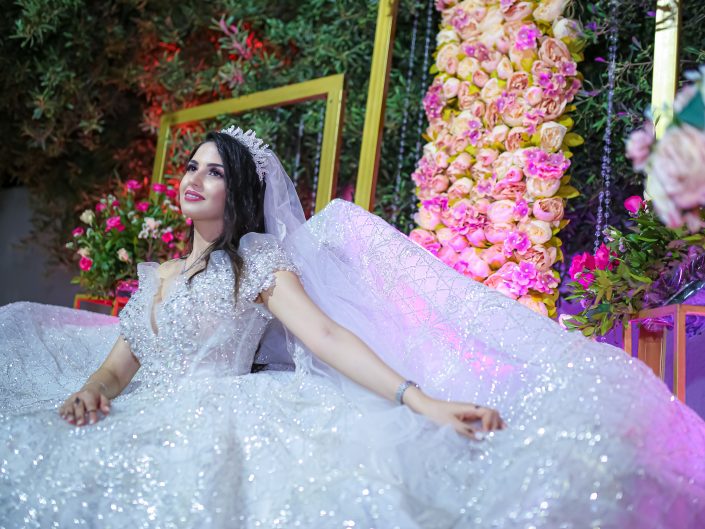




- Authentic portraits reveal the enduring appeal of pinup aesthetics and modern influence
- The Golden Age of Pinup Art: 1940s and 1950s
- The Role of World War II
- The Evolution of the Pinup Aesthetic
- Modern Interpretations & Burlesque
- Pinup’s Influence on Modern Fashion and Advertising
- The Power of Nostalgia in Marketing
- The Pinup in Contemporary Art & Photography
- Expanding Perspectives: Beyond the Male Gaze
Authentic portraits reveal the enduring appeal of pinup aesthetics and modern influence
The aesthetic of the pinup – a celebration of feminine allure, playful poses, and often a touch of mischievousness – has a history far richer and more complex than many realize. Initially emerging in the late 19th and early 20th centuries, the pinup gradually evolved from artist-created illustrations appearing in calendars and magazines to a cultural phenomenon deeply intertwined with societal shifts and ideals of beauty. The lasting impression of the pinup image continues to resonate today, influencing fashion, art, and even advertising, demonstrating a surprising endurance in a constantly evolving world. The core appeal lies in the presentation of accessibility; these figures, while idealized, often felt attainable, or at least dreamily close, unlike the untouchable glamour of traditional portraiture.
The power of the pinup rests not merely in its visual appeal, but also in its fascinating ability to reflect and shape cultural attitudes toward women and sexuality. While frequently viewed through a modern lens, it’s crucial to understand the historical context in which these images were created and consumed. The pinup wasn't always about overt sexuality; it often represented a lighthearted escape, a boost to morale – particularly during wartime – or a symbol of burgeoning confidence and independence. Examining the pinup’s evolution reveals a compelling narrative of changing social norms and the ongoing negotiation of feminine identity. Understanding the foundations of this style is instrumental in grasping its continued appeal.
The Golden Age of Pinup Art: 1940s and 1950s
The period between the 1940s and 1950s is often considered the golden age of pinup art. This era saw the rise of iconic artists like Gil Elvgren, Alberto Vargas, and George Petty, whose work graced the pages of magazines like Esquire and adorned calendars in millions of homes. These artists perfected a distinct style, characterized by vibrant colors, meticulous attention to detail, and a focus on the playfully provocative pose. The imagery often featured women in everyday situations – fixing a car, baking a pie, or simply lounging by the pool – but always with a seductive and lighthearted flair. The imagery often tapped into the fantasy life of the male audience, catering to a specific demographic while simultaneously reflecting broader social desires.
The Role of World War II
World War II played a significant role in the widespread popularity of pinup art. Soldiers stationed overseas found solace and comfort in the images, which served as a reminder of home and a symbol of the women they were fighting to protect. Pinup images were plastered on locker doors, engine housings, and bomb casings, becoming a powerful symbol of morale and a connection to civilian life. The pinup girl represented a quintessential ideal of American femininity, embodying the values of optimism, resilience, and lightheartedness that were crucial during a time of hardship and uncertainty. This sustained exposure helped solidify the pinup’s status as a cultural icon, and significantly influenced artistic styles.
| Artist | Notable Publications | Defining Style |
|---|---|---|
| Gil Elvgren | Brown & Bigelow Calendars | Humorous, detailed, relatable scenes featuring everyday women. |
| Alberto Vargas | Esquire Magazine | Lush, glamorous, often fantastical settings with a focus on idealized beauty. |
| George Petty | Esquire Magazine | Highly polished, airbrushed style with emphasis on the female form and vibrant colors. |
Despite the initial tidal wave of popularity, the pinup aesthetic faced criticism even during its heyday. Some viewed the imagery as exploitative or objectifying, arguing that it reinforced harmful stereotypes about women. However, proponents countered that the pinup was ultimately empowering, allowing women to express their sexuality and agency in a playful and confident manner. This debate continues to resonate today, underscoring the complex and often contradictory nature of the pinup phenomenon.
The Evolution of the Pinup Aesthetic
Following the 1950s, the pinup aesthetic didn’t disappear entirely, but rather evolved and adapted to changing cultural norms. The overt sexuality of the classic pinup gradually gave way to more subtle and nuanced expressions of femininity. Influenced by the rise of feminism and shifting attitudes towards body image, the pinup underwent a transformation, embracing greater diversity and challenging traditional beauty standards. Characters like Marilyn Monroe and Elizabeth Taylor, while not strictly ‘pinup girls’ in the classical sense, embodied a similar spirit of confidence and allure, further solidifying the aesthetic's influence on mainstream culture. This marked a pivot towards a broader definition of attractiveness.
Modern Interpretations & Burlesque
Contemporary interpretations of the pinup aesthetic often draw inspiration from burlesque and vintage fashion. Modern pinup models frequently incorporate elements of retro style – polka dots, high-waisted shorts, and victory rolls – while adding their own unique flair. The burlesque movement, in particular, has played a significant role in reclaiming and reimagining the pinup aesthetic, emphasizing performance, artistry, and female empowerment. Burlesque elevates the performance aspect of the pinup, allowing women to present themselves on their own terms and challenge traditional notions of beauty and sexuality. This is a key divergence from earlier interpretations.
- The resurgence of vintage fashion contributes to the ongoing popularity of the aesthetic.
- Modern pinup models often embrace body positivity and inclusivity.
- Social media platforms facilitate the sharing and appreciation of pinup-inspired content.
- Burlesque provides a space for artistic expression and reclaiming female agency.
The adoption of pinup styles within alternative subcultures demonstrated its adaptability and enduring appeal. From rockabilly enthusiasts to tattoo communities, the aesthetic resonated with those embracing vintage styles and individuality. This integration into diverse communities helped solidify the pinup’s position as a timeless source of inspiration.
Pinup’s Influence on Modern Fashion and Advertising
The influence of the pinup aesthetic can be seen in modern fashion and advertising, albeit often in subtle and indirect ways. The emphasis on curves, feminine silhouettes, and playful styling frequently appears in contemporary campaigns. Many modern designers have drawn inspiration from the retro glamour of the pinup era, incorporating elements of the style into their collections. Advertising, in particular, has often employed pinup-inspired imagery to evoke a sense of nostalgia, sensuality, and aspirational lifestyle. The cyclical nature of fashion ensures the periodic return of these influences.
The Power of Nostalgia in Marketing
Nostalgia plays a crucial role in the enduring appeal of pinup-inspired advertising. By evoking a sense of the past, marketers can tap into positive emotions and associations, creating a connection with consumers. The pinup aesthetic, with its associations of optimism, glamour, and simpler times, can be particularly effective in conveying these feelings. However, it’s important for brands to approach this aesthetic with sensitivity and avoid perpetuating harmful stereotypes. Authenticity and respect for the original aesthetic are essential for successful and responsible marketing campaigns. This requires a nuanced understanding of the source material.
- Identify key elements of the pinup aesthetic relevant to the brand.
- Research the historical context to avoid misrepresentation.
- Focus on empowerment and celebrating femininity.
- Ensure campaigns are inclusive and diverse.
Beyond direct aesthetic imitation, the core concepts of the pinup – confidence, self-acceptance, and a celebration of the female body – continue to influence contemporary beauty standards. The movement towards body positivity and inclusivity in fashion has roots in the pinup's initial challenge to conventional beauty ideals, though this connection is often indirect. These themes now represent a compelling intersection between historical style and present-day values.
The Pinup in Contemporary Art & Photography
The pinup aesthetic continues to inspire artists and photographers today, though their interpretations often diverge from the classic imagery. Contemporary artists frequently use the pinup as a starting point to explore themes of body image, gender roles, and the construction of identity. The aesthetic is repurposed to subvert expectations, challenge societal norms, and create thought-provoking commentary. This can manifest in photographic series, paintings, illustrations, and mixed-media installations, achieving a diverse array of results.
Many artists directly engage with the historical context of the pinup, deconstructing its imagery and questioning its implications. Others embrace a more playful and celebratory approach, reinterpreting the aesthetic for a modern audience. Regardless of the approach, the pinup continues to serve as a potent symbol, capable of generating dialogue and inspiring creative expression. The sheer longevity of the aesthetic solidifies its position as an enduring influence within the wider art community.
Expanding Perspectives: Beyond the Male Gaze
Traditionally, the pinup was largely created through a male gaze, catering to a predominantly male audience. However, contemporary artists and models are actively challenging this perspective, reclaiming the aesthetic and creating images that empower women. The focus shifts from simply being visually appealing to expressing individuality, confidence, and self-love. This evolution reflects a broader cultural trend towards female agency and representation. The modern pinup movement prioritizes the creator's perspective and experience.
By centering female perspectives, artists and models are redefining the pinup aesthetic, dismantling harmful stereotypes and celebrating the diversity of female bodies and identities. This new wave of pinup imagery is not about pleasing the male gaze; it’s about celebrating femininity on its own terms. The result is a dynamic and evolving aesthetic that continues to resonate with audiences while challenging conventional notions of beauty and sexuality.